
Mechanical And Civil Engineering Services
Mechanical And Civil Engineering Services
Mechanical and Civil Engineering Services in Germany
Germany’s engineering sector is recognized worldwide for its precision, innovation, and technological leadership. Both mechanical and civil engineering services play a central role in this success, supporting industrial growth, infrastructure modernization, and sustainable development.
Engineering Maps makes it easy to connect with leading engineering firms, professionals, and projects, helping you find expert mechanical and civil engineering services across Germany.
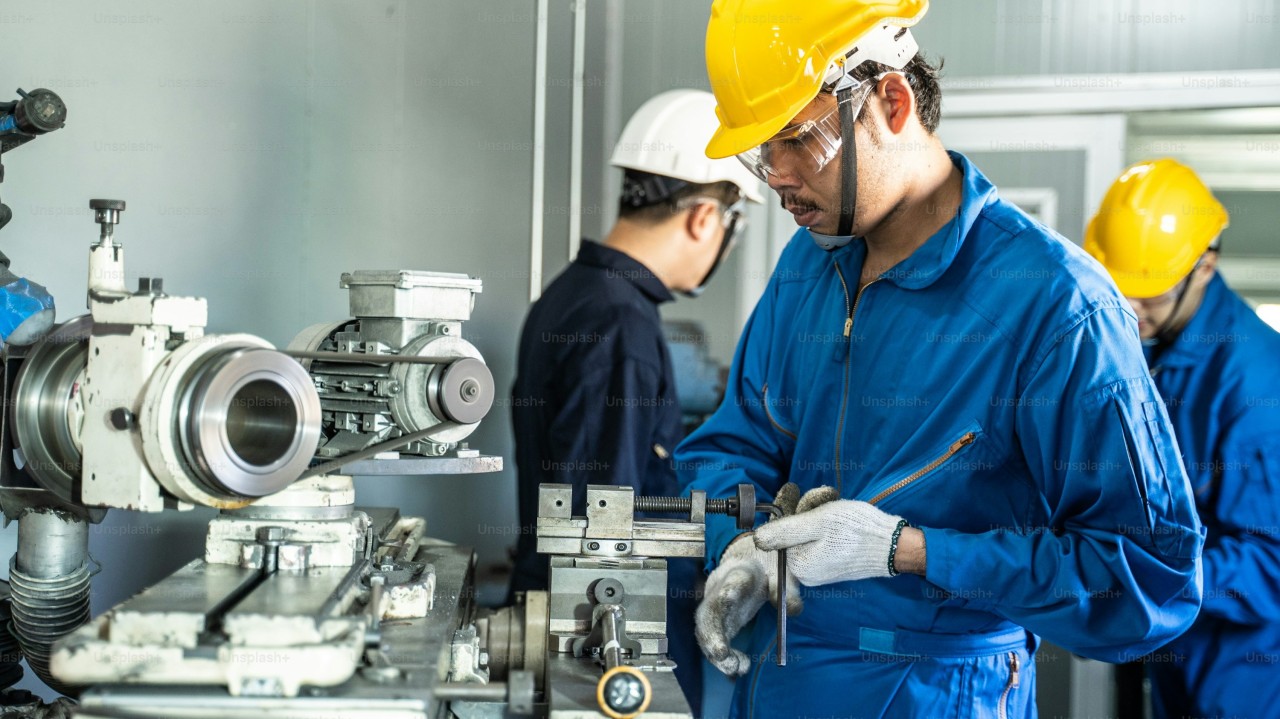
Germany: A Global Hub for Engineering Excellence
Germany is Europe’s largest economy and ranks fourth in the world. Its engineering sector serves as the backbone of industrial success and national infrastructure.
- In 2023, the mechanical engineering sector in Germany generated more than €263 billion in revenue.
- The civil engineering sector benefits from large-scale government infrastructure investments, including €21.8 billion earmarked for rail and transport projects in 2025.
- Over 80% of German machinery output is exported, making the country a global leader in engineering.
Mechanical Engineering Services: Driving Industrial Innovation
Mechanical engineering, or Maschinenbau, is one of Germany’s most advanced industries, encompassing industrial machinery, automotive engineering, robotics, and cutting-edge manufacturing.
Core Services
- Product Design and Development
German engineers use advanced CAD and CAE tools to design complex machinery and equipment. They collaborate with research institutes to innovate in the automotive, aerospace, and energy sectors. - Manufacturing & Automation
Smart factories integrate robotics, CNC machining, and Industry 4.0 technologies, improving efficiency, reducing waste, and ensuring high-precision production. - Maintenance & Reliability Engineering
Preventive and predictive maintenance strategies minimize downtime and extend the life of equipment. Many German firms lead the world in IoT-based digital maintenance solutions. - Energy Systems & Sustainability
Mechanical engineers design energy-efficient industrial systems aligned with Germany’s renewable energy goals, incorporating solar, wind, and hybrid energy solutions into factories and infrastructure. - Research, Prototyping & Innovation
R&D partnerships between universities and firms drive advancements in machinery, electric mobility, automation, and industrial innovation.
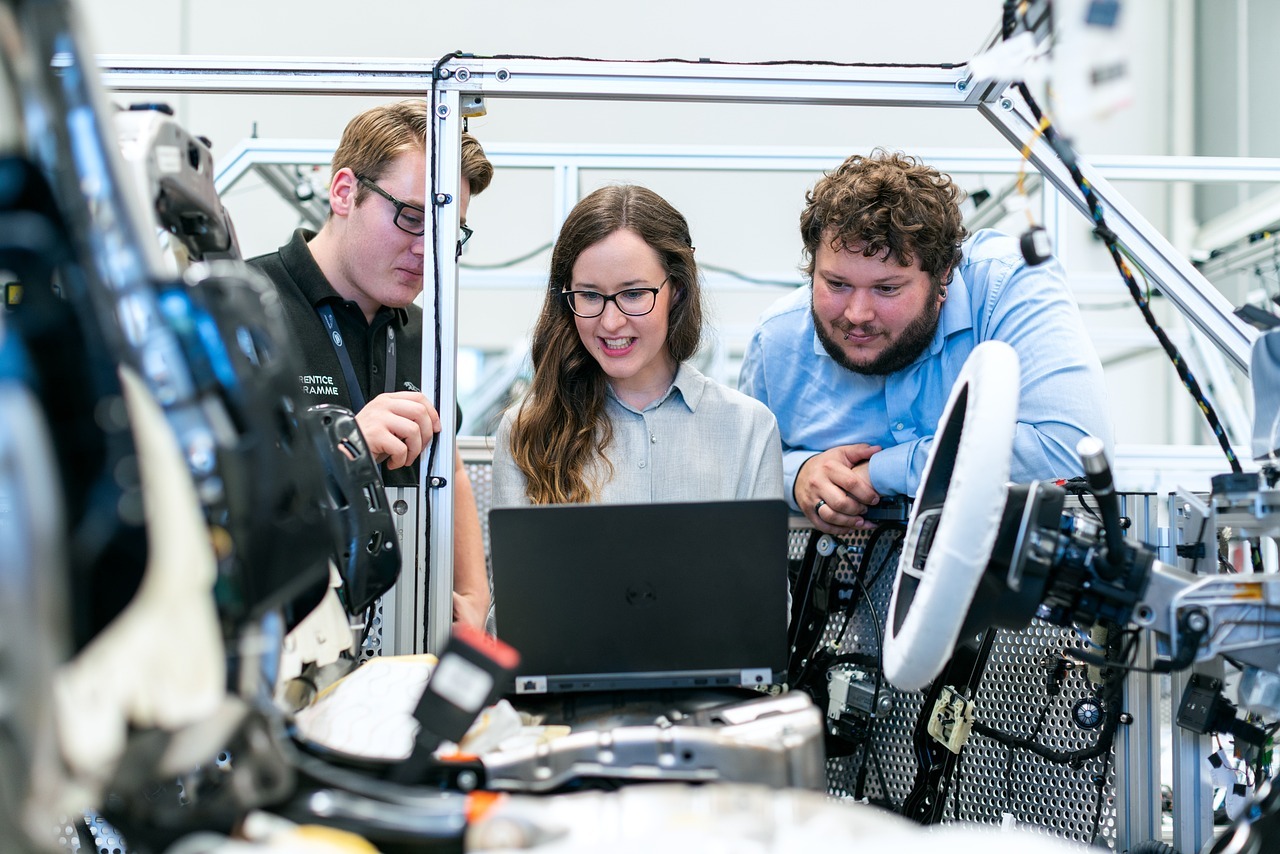
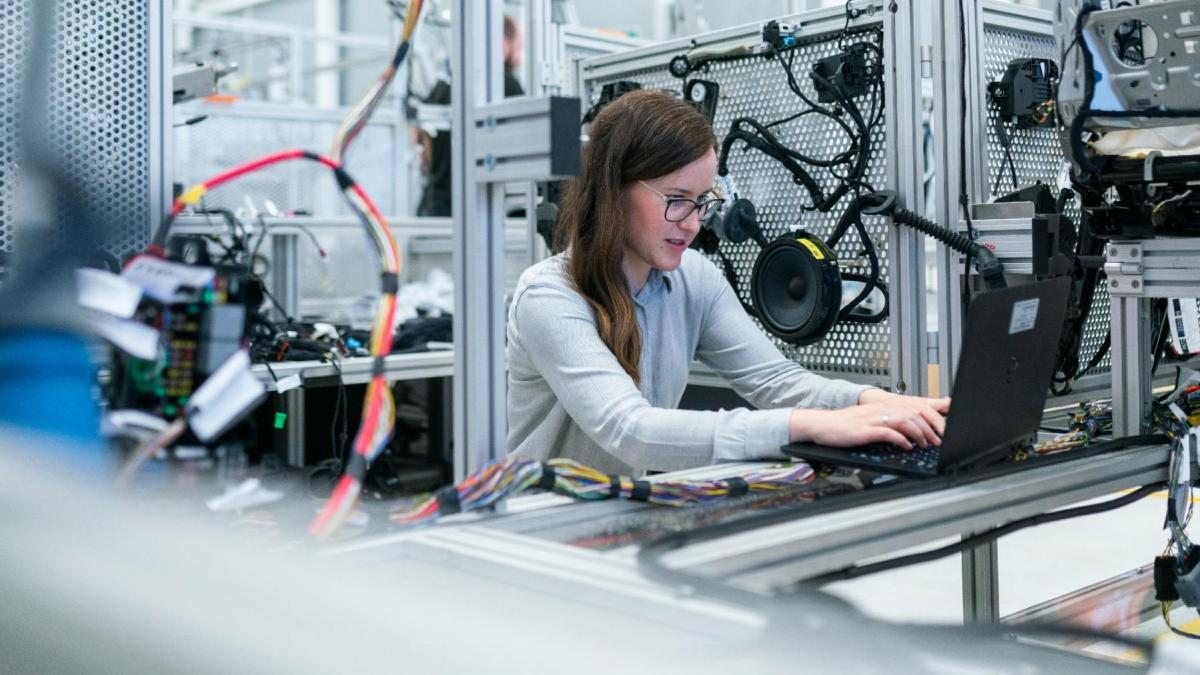
Key Engineering Hubs
- Stuttgart: Automotive engineering and machinery development.
- Munich: Industrial automation and aerospace technology.
- Hamburg: Shipbuilding and mechanical systems engineering.
Engineering Maps helps professionals and companies connect with these hubs to access top-tier expertise.
Civil Engineering Services: Building Germany’s Infrastructure
Civil engineering (Bauingenieurwesen) is essential for developing Germany’s urban landscapes, transportation systems, and public infrastructure.
Core Services
Structural Engineering
Design of bridges, industrial facilities, high-rise buildings, and public structures using modern simulation and modeling tools to ensure safety and efficiency.
Transportation & Infrastructure Planning
Development of roads, highways, airports, and rail networks with a focus on sustainable and resilient urban transport solutions.
Geotechnical & Environmental Engineering
Soil analysis, foundation design, and environmental impact assessments to meet strict German environmental standards.
Water Resources & Hydraulic Engineering
Planning and maintenance of water supply, sewage systems, and flood management projects.
Project Management & Consulting
Comprehensive coordination, cost management, regulatory compliance, and lifecycle planning for construction projects.
Civil Engineering Market Insights
Major cities like Berlin, Frankfurt, and Cologne are leading infrastructure development initiatives. Public investments in transport, housing, and utilities are expected to continue growing, creating more opportunities for civil engineers. Smart city initiatives and urban regeneration projects increasingly demand integrated solutions that combine mechanical and civil engineering expertise.
Integrated Mechanical and Civil Engineering Solutions
Modern projects often require close collaboration between mechanical and civil engineers:
- Industrial Facilities: Equipment layout must align with structural and spatial requirements.
- Smart Buildings: HVAC, energy systems, and building automation are integrated with structural frameworks.
- Sustainable Infrastructure: Renewable energy systems embedded in transport hubs, factories, and urban projects.
This integrated approach ensures that projects are efficient, sustainable, and future-ready.
Current Trends in Germany’s Engineering Sector
- Digitalization & Industry 4.0
IoT, AI, and digital twin technologies are transforming design, production, and maintenance processes. - Sustainability & Green Construction
Minimizing carbon emissions and using eco-friendly materials is becoming standard practice. - Prefabrication & Modular Construction
Modular techniques accelerate project timelines, reduce costs, and increase efficiency. - Smart Infrastructure & Urban Mobility
Integration of sensors and predictive analytics improves operational safety and efficiency. - Skills in Demand
Cross-disciplinary expertise in digital mechanical systems and sustainable civil design is highly sought after.
Benefits of Professional Engineering Services
For Businesses
- Operational Efficiency: Streamline production and reduce downtime.
- Regulatory Compliance: Meet German and EU standards.
- Sustainability: Reduce environmental impact and support ESG goals.
- Innovation: Gain access to advanced technologies and expertise.
For Engineers
- Career Advancement: Opportunities in high-demand roles across mechanical and civil engineering.
- Professional Development: Exposure to cutting-edge projects and technologies.
- Networking: Build connections with industry leaders and top firms.
- Global Recognition: Work in Germany’s world-leading engineering market.
How Engineering Maps Connects You With Experts
Engineering Maps provides a comprehensive view of Germany’s engineering ecosystem:
- Localized Search: Find companies and experts near you.
- Company Profiles: Explore project history, technologies, and ratings.
- Job & Career Opportunities: Discover roles in top engineering firms.
- Market Insights: Access salary data, skills demand, and trends.
- Direct Communication: Connect with professionals and firms directly.
Real-Life Case Studies from Germany
- Automotive Innovation in Stuttgart
A leading firm developed fully automated electric vehicle assembly lines, integrating mechanical design with civil structural planning. - Berlin Smart City Projects
Cross-disciplinary engineers optimized transport, energy, and water systems to create sustainable urban solutions. - Renewable Energy Industrial Parks
Mechanical engineers designed solar and wind energy systems, while civil engineers optimized site layout, foundations, and logistics.
These examples show the tangible impact of combining mechanical and civil engineering expertise.

The Future of Engineering Services in Germany
- Digital Investments: AI, automation, and robotics will continue shaping the industry.
- Sustainable Urban Development: Green infrastructure projects will see increasing demand.
- Integrated Solutions: Cross-disciplinary collaboration will become standard in complex projects.
- Talent Demand: Skilled professionals in both mechanical and civil engineering will remain critical.
Conclusion: Access Expert Engineering Services Across Germany
Germany continues to lead globally in mechanical and civil engineering, driving industrial innovation, infrastructure growth, and sustainable development.
Engineering Maps connects you with trusted experts, top firms, and active projects across Germany, ensuring that your engineering needs, whether for business or career growth, are met with expertise, precision, and real-world results.
What qualifications are required for mechanical engineering jobs in Germany?
Most mechanical engineering jobs in Germany require at least a bachelor’s degree in mechanical engineering or a related field. A master’s degree can improve job prospects, especially for specialized or senior roles. Knowledge of German language and familiarity with industry tools like CAD software are also highly beneficial.
Why do many employers prefer candidates with German language skills?
While some multinational companies offer English-speaking roles, many employers prefer candidates with at least basic to intermediate German language skills. This helps with workplace communication, integration, and career growth.
Which cities in Germany offer the most mechanical engineering job opportunities?
Major industrial cities such as Munich, Stuttgart, Berlin, Hamburg, and Frankfurt offer a high number of mechanical engineering jobs, especially in automotive, manufacturing, and technology sectors.
How can Engineering Maps help me find mechanical engineering jobs near me?
Engineering Maps helps you discover local job opportunities by providing location-based listings, company insights, and interactive maps. This allows you to identify nearby employers and apply for roles that match your skills and career goals more efficiently.
What industries in Germany hire mechanical engineers the most?
Mechanical engineers in Germany are in high demand in industries such as automotive, aerospace, renewable energy, industrial manufacturing, and robotics. These sectors offer strong career growth, competitive salaries, and long-term stability.